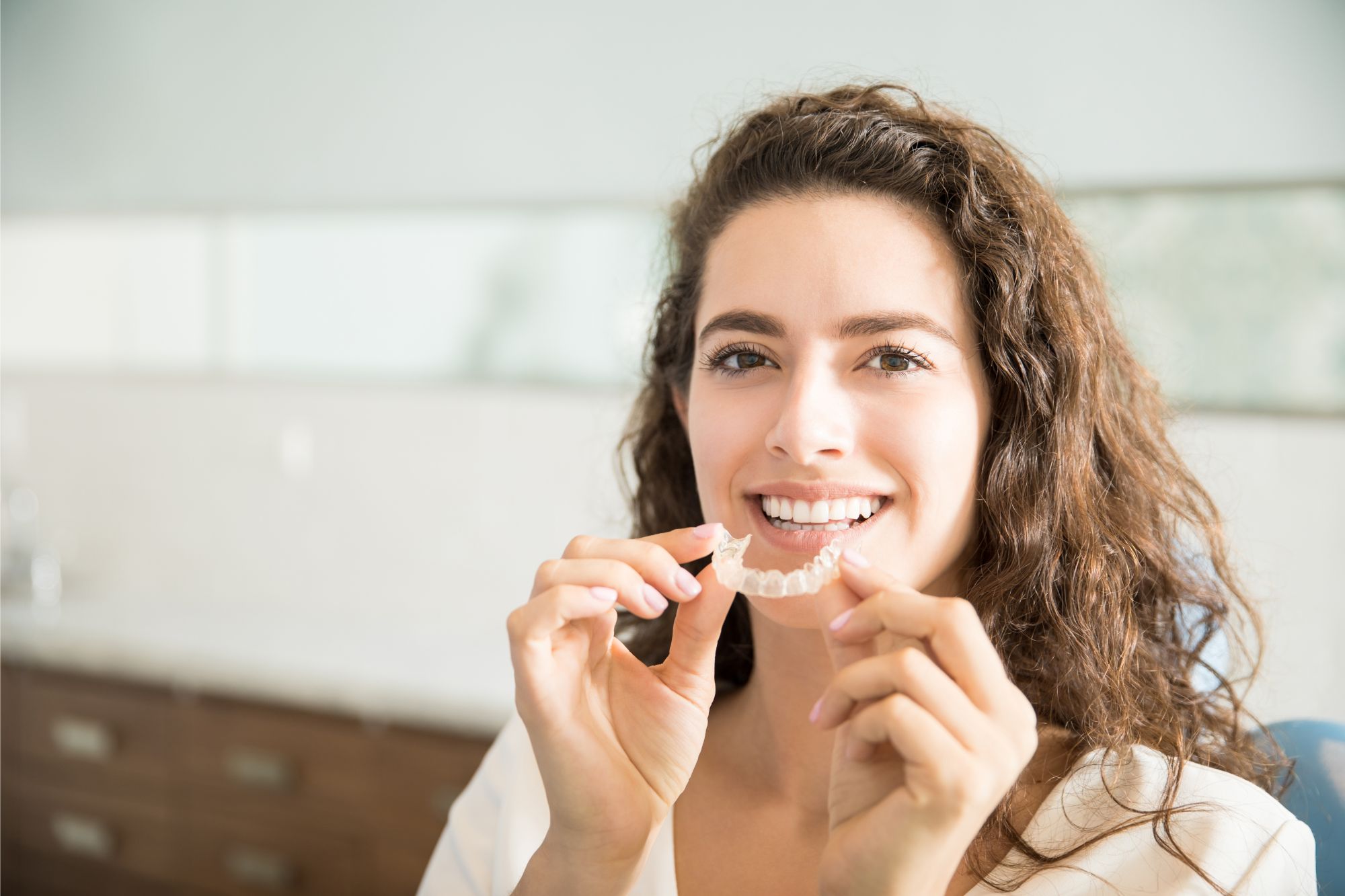
Choosing between two top clear aligner systems can feel like a lot to sort out. Both work well. Both are nearly invisible. But they’re not identical. If you’ve been weighing Invisalign vs. Solventum Clarity, the honest answer to which one is right for you depends on your bite, your budget, and your lifestyle.
Let’s break down how each system works and how to pick the one that fits your smile goals. Understanding the small distinctions between these two systems can save you months of second-guessing and help you feel confident before you ever slide in your first tray.
What Are Invisalign and Solventum Clarity Aligners?
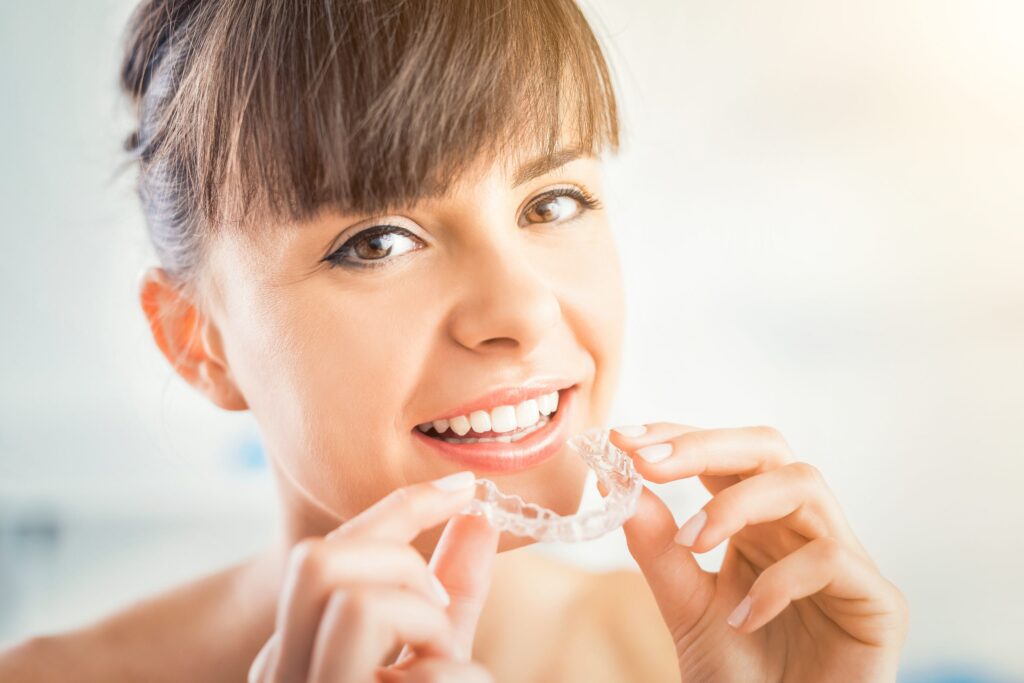
Invisalign and Solventum Clarity Aligners are two leading clear aligner systems that gently move teeth into place using a series of custom-made, removable trays. Both are FDA-cleared, BPA-free, and nearly invisible when worn. The main difference lies in the tray material and how attachments are placed on your teeth.
Here’s a quick primer:
- Invisalign, made by Align Technology, is the most recognized clear aligner brand worldwide. It uses a patented SmartTrack material designed for a snug, gradual fit.
- Solventum Clarity Aligners (formerly 3M Clarity, rebranded when 3M’s healthcare division became Solventum) use a proprietary multi-layer copolymer that comes in two thicknesses: Flex for gentler tooth movement, and Force for stronger, more controlled shifts.
- Both are custom-fit, removable, and swapped out every one to two weeks as your teeth progress.
Each system has its own strengths, and a skilled orthodontist will match the right one to your bite and goals.
How Does Each Clear Aligner System Work?
The process for both systems starts the same way: with digital scans of your teeth. No goopy trays. Just a quick wand that maps your mouth in 3D.
From there, a board-certified orthodontist uses that scan to plan every stage of tooth movement. You’ll even see a preview of your projected final smile before treatment begins.
What Does the Step-by-Step Process Look Like?
- Digital scan and treatment plan. Your orthodontist reviews your bite, spacing, and goals, then designs a stage-by-stage plan using either ClinCheck (Invisalign) or the Clarity Portal (Solventum).
- Custom trays are manufactured. Your full series of aligners is produced and shipped to the practice, ready for pickup.
- Attachments are placed on your teeth. These small, tooth-colored bumps help the trays grip and move specific teeth. Invisalign uses SmartForce attachments, which are hand-placed one at a time. Clarity uses Precision Grip attachments that are 3D-printed and pre-loaded into the tray, which can shorten chairside bonding time.
- Wear your trays 20-22 hours a day. Take them out only to eat, drink anything other than water, and brush.
- Switch to the next tray every 1-2 weeks as directed.
- Check in with your orthodontist. Progress visits happen every 6-10 weeks, and virtual visits are often available for busy families.
- Refinements, if needed. Small tweaks at the end fine-tune your final result.
Both systems are tried and true, precise, and comfortable. The real difference is in the details.
What Are the Benefits of Choosing Clear Aligners?
Clear aligners have changed how people feel about orthodontics. They’re discreet, flexible, and easy to live with. Whether you pick Invisalign or Solventum Clarity, you’ll get the same core advantages.
Why Do Patients Love Clear Aligners?
- Nearly invisible. Most people won’t notice you’re wearing them. Great for professionals, teens, and adults who don’t want a mouth full of metal.
- Removable. Take them out to eat your favorite foods, brush and floss normally, or pop them out for a wedding photo.
- Fewer emergency visits. No brackets to pop off, no wires to poke. That means fewer unplanned trips to the office.
- Comfortable, smooth edges. Both systems use trimmed, polished trays that feel gentle against your cheeks and gums.
- Treats a wide range of cases. Crowding, spacing, overbite, underbite, crossbite. Both work for mild to moderately complex bites, and sometimes more.
- Stain-resistant material. Clarity trays are specifically designed to resist coffee and tea staining, keeping them clear from start to finish.
- See your results before you start. Digital treatment planning lets you preview your projected new smile at your free consultation.
How Do Clear Aligners Fit Into Everyday Life?
You don’t have to give up much to straighten your teeth with clear aligners. Eat popcorn. Play sports (a mouthguard fits right over your trays or replaces them during play). Head out for a coffee meeting without anyone spotting your orthodontics.
For anyone juggling school, work, and everything else, clear aligners are one of the easiest ways to fit a new smile into a full life. That’s part of what making ortho easy is all about, and it’s a big reason clear aligners have grown so popular with both adults and teens.

Invisalign vs. Solventum Clarity: How Do They Compare Side by Side?
Here’s how the two systems stack up on the features patients ask about most.
| Feature | Invisalign | Solventum Clarity Aligners |
|---|---|---|
| Material | SmartTrack (single-layer thermoplastic) | Multi-layer copolymer (Flex + Force options) |
| Attachments | SmartForce, hand-placed by orthodontist | Precision Grip, 3D-printed and pre-loaded in tray |
| Chairside time | Standard placement | Faster bonding visit reported by manufacturer |
| Provider network | Broadest global reach, established brand | Newer to market, growing rapidly |
| Treatment planning software | ClinCheck | Clarity Portal |
| Effectiveness | FDA-cleared, clinically proven for mild-to-complex cases | FDA-cleared, clinically proven for mild-to-complex cases |
| Stain resistance | Standard | Enhanced multi-layer resistance |
| Tray change interval | Every 1-2 weeks | Every 1-2 weeks |
| Wear time | 20-22 hours per day | 20-22 hours per day |
What’s the Short Version?
Invisalign has decades of case data and the widest provider network. Clarity is newer but built on 3M’s long history of orthodontic materials, and its multi-layer design gives your orthodontist more options for fine-tuned tooth control. Both deliver excellent results in the right hands.
Who Is a Good Candidate for Each Aligner System?
Most people who want straighter teeth are candidates for clear aligners. The real question is which system suits your specific bite.
Who’s a Good Candidate for Either System?
- Adults and teens with mild-to-moderate crowding
- Patients with gaps or spacing they want closed
- Bites with overbite, underbite, or crossbite in the mild-to-moderate range
- Anyone who wants a discreet, removable option over traditional braces
When Do Clarity Force Trays Have an Edge?
The thicker Force tray can help in cases needing stronger torque or intrusion movements, meaning teeth that need significant rotation or vertical control.
When Might Braces Be a Better Fit?
Severe skeletal issues, major bite corrections, or cases requiring significant vertical tooth movement sometimes respond better to braces, or a combined approach. This is where the expertise of a board-certified orthodontist really matters. A quick professional evaluation is the only reliable way to confirm what will work best for you. If you’re not sure which category you fall into, a free consultation is the easiest way to get a clear answer.

Frequently Asked Questions
Are Clarity aligners better than Invisalign?
Neither system is universally “better.” Both are FDA-cleared, both use custom trays, and both produce excellent results when planned and monitored by a skilled orthodontist. The right choice depends on your bite, your budget, and your orthodontist’s recommendation based on the specific movements your teeth need.
Which clear aligner brand is best?
The best clear aligner brand is the one your orthodontist recommends for your specific bite. Both Invisalign and Clarity have strong clinical track records, and an experienced provider will match the system to the movements your teeth need. Brand loyalty matters less than treatment planning skill.
Can I switch brands mid-treatment?
Switching brands mid-treatment isn’t recommended. Each system uses different planning software (ClinCheck for Invisalign, Clarity Portal for Solventum), different attachment shapes, and different tray materials. Starting over with a new brand usually means new scans and building a new plan from scratch. Pick the system that fits your goals from day one.
Do clear aligners hurt?
Clear aligners create mild pressure for the first day or two after each new tray, which most patients describe as a tight or snug feeling rather than sharp soreness. This is normal and means the trays are working. It typically fades within 48 hours as your teeth adjust, and many patients switch to a new tray at bedtime so the initial snugness settles in overnight.
How long does clear aligner treatment take?
Minor cases can wrap up in 6-8 months, while more involved bites often take 18-24 months or longer. Wearing your trays 20-22 hours a day and switching them on schedule is the single biggest factor in keeping treatment on track. Your orthodontist will give you a personalized timeline at your first visit, and consistent wear is the best way to keep that timeline honest.
Ready to see which clear aligner fits your smile best? Schedule your free consultation with Stacy Wolf Orthodontics and get a clear, side-by-side plan built around your bite, your budget, and your life.